

Social Contribution Activities
- Policy on Corporate CitizenshipJump to the applicable section
- Management FrameworkJump to the applicable section
- Themes of Social Contribution ActivitiesJump to the applicable section
- Bridging the Digital DivideJump to the applicable section
- Support for the Healthy Development of YouthJump to the applicable section
- Environmental ConservationJump to the applicable section
- Social and Cultural SupportJump to the applicable section
- Disaster SupportJump to the applicable section
- KDDI Group's Social Contribution ActivitiesJump to the applicable section
- Contribution Activities in emerging countries outside JapanJump to the applicable section
Policy on Corporate Citizenship
We established the Social Contribution Policy in 2012. As a conscientious corporate citizen, we respond to the society's needs and trust and contribute to society across the world utilizing our technologies and human resources. To carry out sustainable business in and outside Japan, it is essential to have dialogue with local communities and grow with them. We see social contribution activities as valuable opportunities to interact with local communities and will continue to capitalize on such activities in terms of business opportunities and risk avoidance.
We established KDDI Sustainable Action in line with the KDDI SDGs for 2030 and are committed to resolving various social issues through our business as a company that contributes to society's sustainable growth.
In addition, in the selection and implementation of philanthropic activities such as social contribution and donations, we consider policies and approaches taking into consideration the relationship with and impact on our own business activities and universally applicable issues in the international communities such as the Sustainable Development Goals (SDGs).
Manifesto
Operating in accordance with the KDDI Group Philosophy, by satisfying all its stakeholders, the KDDI Group seeks to contribute to society's happiness by encouraging fulfilling lives for people around the world in a sustainable manner.
Action Guidelines
- 1As a company involved in information and communications business, KDDI recognizes its social responsibility to address societal issues through the use of information and communications technologies (ICTs). We aim to offer appropriate communication environments that are safe and secure for all people.
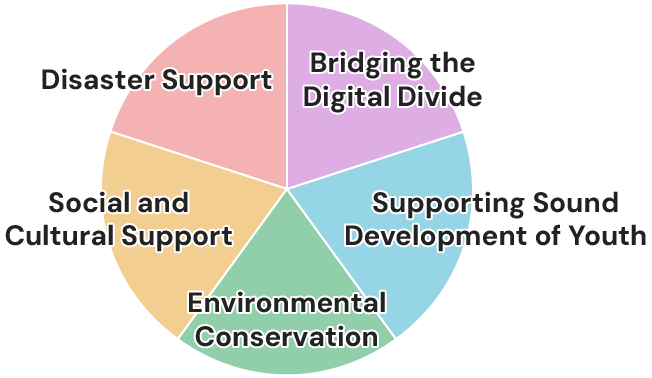
- 2KDDI has established medium-term themes for its social contribution activities in five areas: "bridging the digital divide," (Note 1) "sound development of youth," "environmental conservation," "social and cultural support," and "support in times of disaster." By maximizing our application of such resources as networks, products and services, we conduct social contribution activities through ICTs, in a manner characteristic of KDDI.
- 3Through communications with stakeholders, we notify and share information concerning ongoing improvements in the content of our operations, thereby contributing to society's development.
- 4By sharing with KDDI Group employees our directions on social contribution activities, we pursue independent-minded activities as a good corporate citizen in the aim of achieving sustainable growth in tandem with society.
- (Note 1)Issue where an information disparity occurs between people who have access to information and communication technology such as the computers and the internet and those who do not
Management Framework
As a corporate citizen, we at the KDDI Group strive to contribute to community development, matching the needs specific to a region where we operate.
Based on the basic policy and direction indicated by KDDI's head office, the regional offices around Japan are committed to implementing sustainability activities, acting as communicators with local communities.
These activities are handled cross-departmentally by each regional office and senior general managers such as the executive officers etc., in charge of each region have overall responsibility for the activities.
Regional offices discuss the opinions they receive from local communities with the related department in KDDI head office and take action. We have an information sharing framework within the group, including an intranet, to share activities in each region.
Themes of Social Contribution Activities
KDDI has defined five medium-term focus areas for its social contribution activities: bridging the digital divide, supporting the healthy development of young people, environmental conservation, social and cultural support, and disaster relief. By fully utilizing its resources―including networks, products, and services―KDDI actively promotes ICT-driven social contribution initiatives that reflect its unique strengths. The KDDI Foundation also engages proactively in activities in emerging countries overseas.






Bridging the Digital Divide
KDDI holds workshops for seniors and individuals with disabilities who do not own smartphones or feel uncertain about using them. As part of its regional co-creation efforts, KDDI also promotes initiatives across municipalities to bridge the digital divide and encourage digital utilization.
Initiatives for Fiscal Year 2025

Support for the Healthy Development of Youth
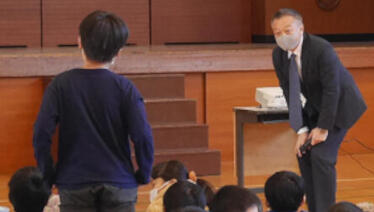
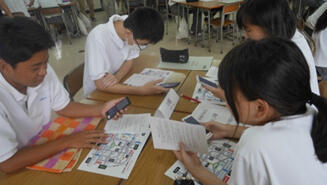
Based on our basic policy on youth safety and security, we are conducting nationwide programs such as the "Smartphone & Mobile Safety Class" and the "Smartphone Disaster Literacy" course.
We are actively engaged in raising awareness of social issues such as distracted smartphone use.
Initiatives for Fiscal Year 2025
| Awareness for Safe and Secure Use |
|
|---|---|
|
|
| Fostering Curiosity and Awareness of Science and Technology Among Youth |
|

We take UNICEF's Convention on the Rights of the Child (CRC) and Children's Rights and Business Principles seriously. With regard to the CRC in particular, which codifies children's right to survival and development, we ensure that children have access to education and do not face a digital divide. Regarding Children's Rights and Business Principles, we are committed to ensuring that KDDI's services come with safety measures that respect and promote children's rights.
We offer safe and affordable services to young people and run awareness campaigns. We are committed to protecting children's rights as we endeavor to create a society where children can enjoy mobile and internet connectivity.
Environmental Conservation
KDDI promotes environmental conservation tailored to the unique characteristics of each region by organizing volunteer activities involving employees and their families, as well as environmental education programs for children. As part of its commitment to building a circular economy, KDDI also conducts smartphone disassembly workshops to help children learn about resource recycling and sustainability.
Initiatives for Fiscal Year 2025
| Promoting Biodiversity Conservation in Collaboration with Stakeholders | |
|---|---|
| Decarbonizing Base Stations Through the Use of Next-Generation Technologies | |
| KDDI Smartphone Disassembly Class |
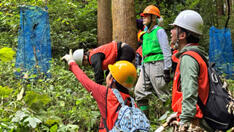
KDDI Grass, Trees, and Forest Creatures Encyclopedia
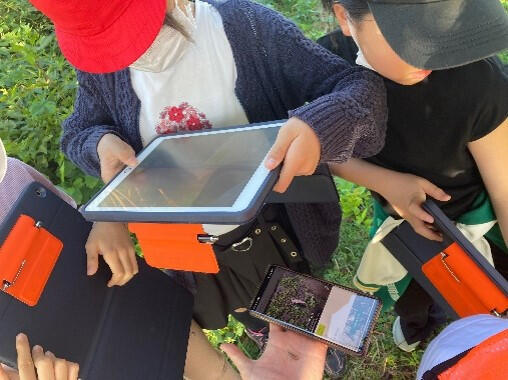
Since April 2018, the KDDI Group has been conducting environmental education classes for children called the "KDDI Grass, Trees, and Forest Creatures Encyclopedia." These classes aim to help children learn about the ecology and characteristics of insects and plants, and to deepen their understanding of environmental conservation and biodiversity. In FY2024, a total of three sessions were held in Tokyo, with 123 elementary school students participating.
KDDI Smartphone Disassembly Class
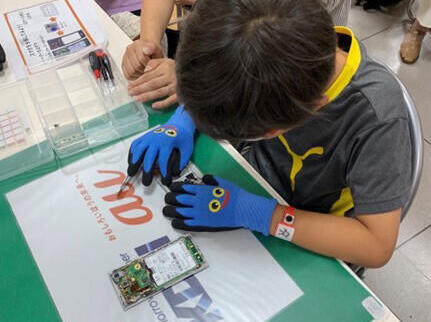
As a mobile network operator, the KDDI Group promotes the recycling of used smartphones to make effective use of limited resources. The resource reuse rate has reached as high as 99.8%. We encourage everyone to bring unused smartphones to nearby au Style or au Shops.
In addition, we hold the "Smartphone Disassembly Class" across Japan, a program designed to deepen understanding of material recycling and the concept of a circular society through hands-on smartphone disassembly.
In FY2024, a total of 23 sessions were held, with 360 elementary and junior high school students participating.
Social and Cultural Support
KDDI promotes initiatives that support organizations working for the environment and society, such as the employee-participation social contribution program "+α Project," where employees earn points through volunteer activities inside and outside the company, and KDDI donates to charitable organizations on their behalf based on the points earned. Another initiative enables customers to support organizations engaged in social contribution activities through au PAY and provides opportunities to make donations in the event of disasters.
Initiatives for Fiscal Year 2025
| Support for Organizations Working for the Environment and Society |
|
|---|---|
| Supporting Efforts to Address Social Issues |

The Plus Alpha Project Program
From fiscal 2008, we started the Plus Alpha Project program that encourages our employees to actively participate in voluntary activities. In this program, employees earn points for social contribution activities within or outside the company, and the company donates an amount corresponding to these points to charity organizations on behalf of the employees.
All employees (approx. 10,000) are eligible, and a total of 10,000,000 yen was donated to 67 organizations in fiscal 2025. The total amount of donations made since the beginning of this program is 142,481,520 yen.
Mechanism of the "Plus Alpha Project"
Employees perform socially beneficial activities ("good deeds") and report them, earning +α points.

The accumulated +α points are converted into a monetary amount.
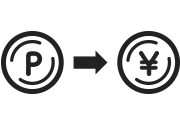
KDDI donates the equivalent amount to charitable organizations on behalf of the employees.

The donations are then used by the recipient organizations to benefit society.

Disaster Support
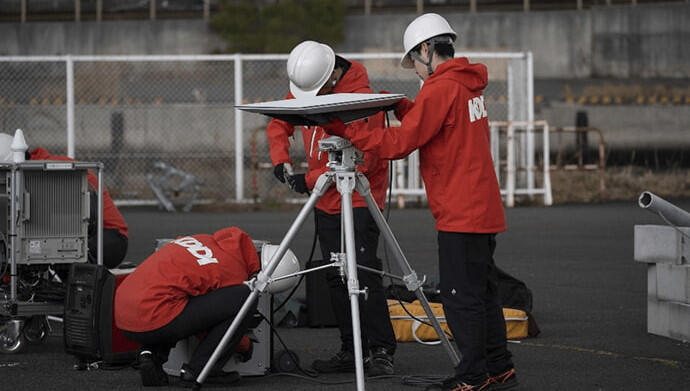
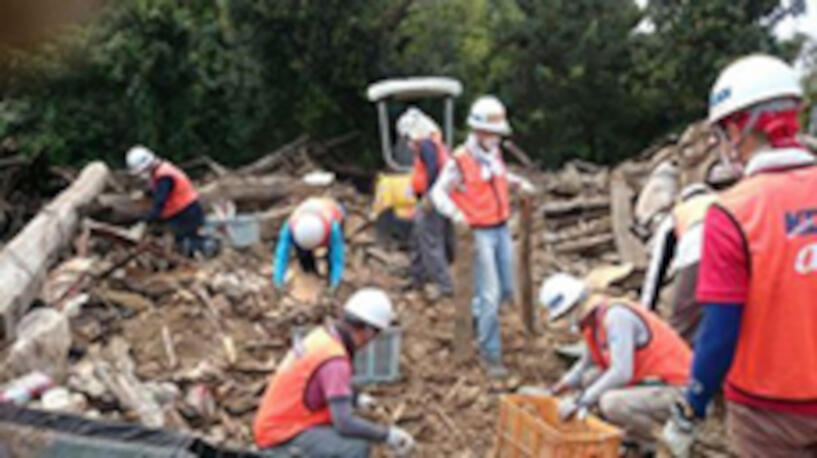
In addition to proactive disaster preparedness, KDDI engages in various initiatives when disasters or humanitarian crises occur, both in Japan and abroad. These include donation-based support, humanitarian aid, recovery assistance, and support for those affected by such events.
Initiatives for Fiscal Year 2025
| Support for People Affected by Disasters and Other Crises |
|---|
Disaster and Humanitarian Crisis Relief Donations (FY2025 Results)
| Case | Donation amount | Donation destination |
|---|---|---|
| Donations for the 2025 Ofunato Akasakicho Forest Fire Disaster | 7,081,100 yen | Japanese Red Cross Society |
| Emergency Donations for the Myanmar Earthquake | 12,276,600 yen | International Federation of Red Cross and Red Crescent Societies Japan Platform |
| Donations for the 2025 Earthquake Disaster with Its Epicenter Near the Tokara Islands | 2,627,500 yen | Japanese Red Cross Society |
| Donations for Disasters Caused by Typhoon No. 8 in 2025 | 1,811,500 yen | Japanese Red Cross Society |
| Donations for the Heavy Rain Disaster Beginning on August 6, 2025 | 880,700 yen | Japanese Red Cross Society |
| 2025 Afghanistan Earthquake Relief Fund | 1,193,100 yen | UNICEF, Japan for UNHCR |
| Donations for the Typhoon No. 12 Disaster in 2025 | 434,200 yen | Japanese Red Cross Society |
| Donations for the Typhoon No. 15 Disaster in Shizuoka Prefecture in 2025 | 863,800 yen | Japanese Red Cross Society |
| Donations for Disasters Caused by Typhoons No. 22 and No. 23 in 2025 (Tokyo) | 667,000 yen | Japanese Red Cross Society |
| Donations for the Large-Scale Fire in Saganoseki, Oita City on November 18, 2025 | 612,400 yen | Japanese Red Cross Society |
| Donations for the 2025 Earthquake off the Eastern Coast of Aomori Prefecture | 1,797,100 yen | Japanese Red Cross Society |
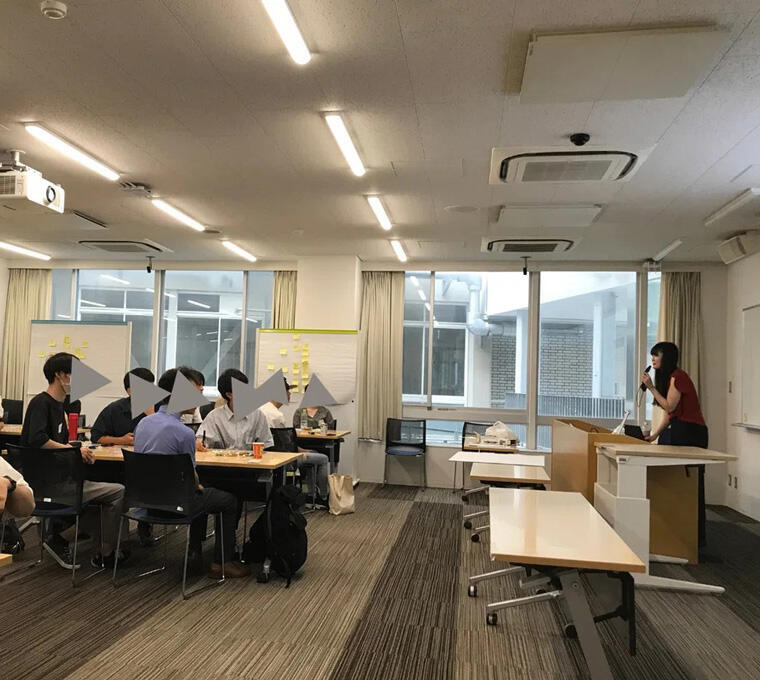
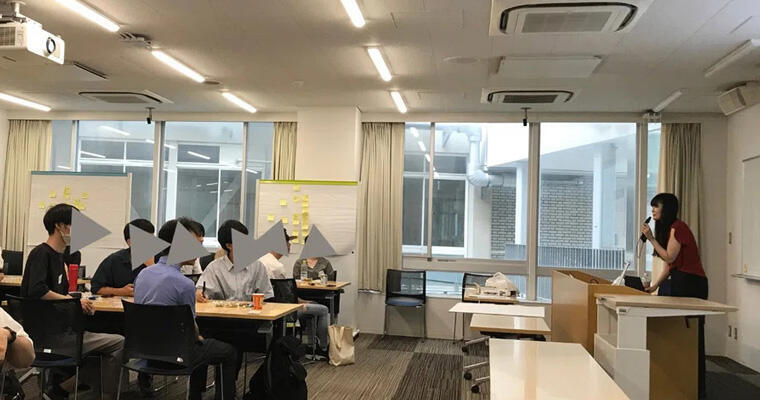
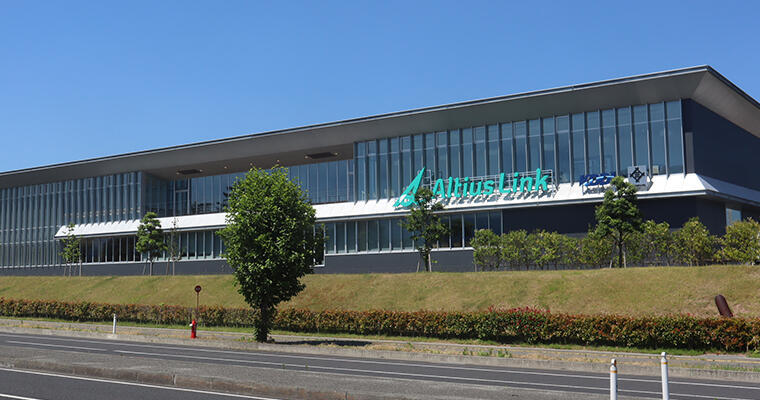
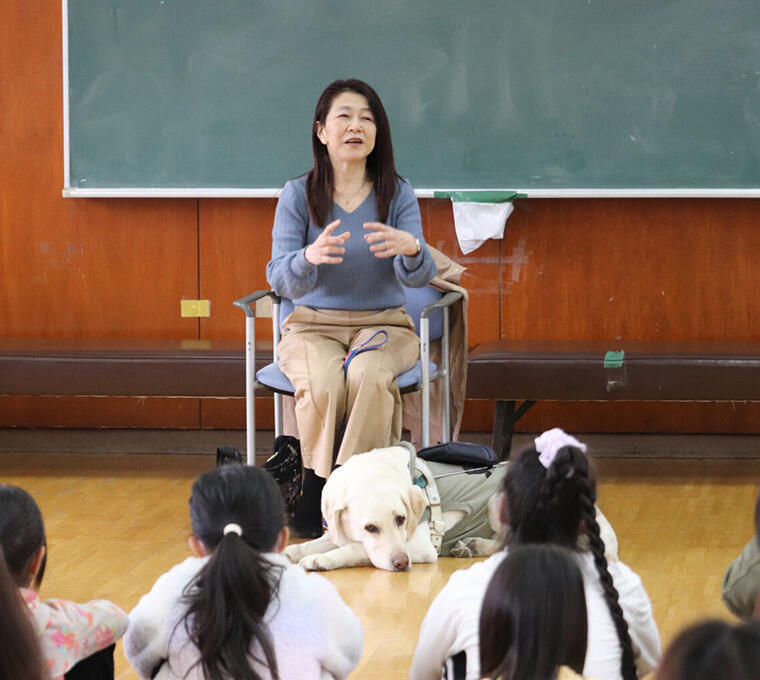
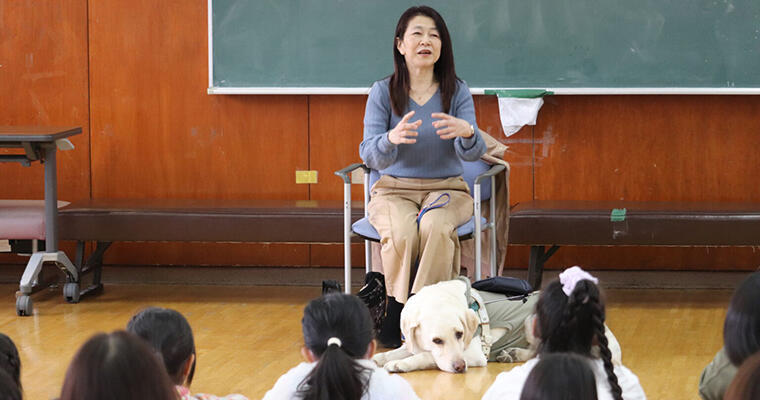
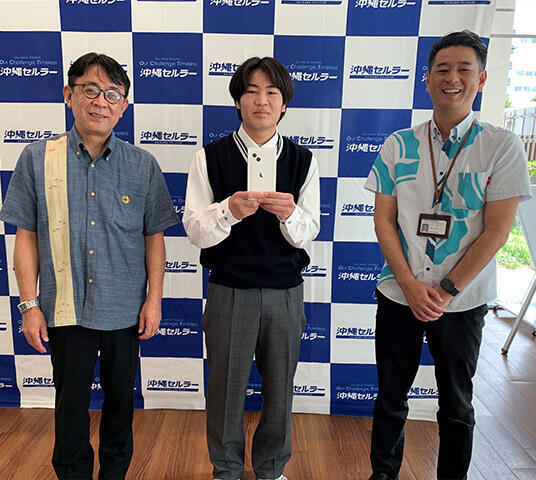
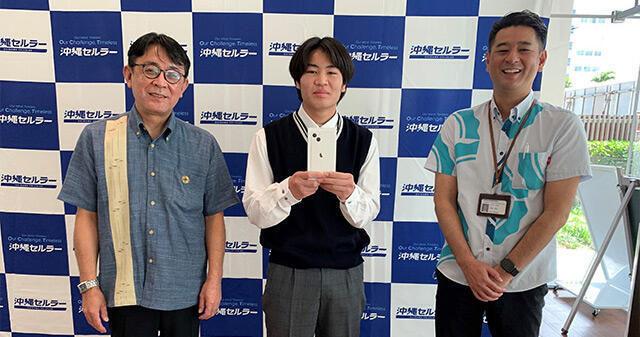
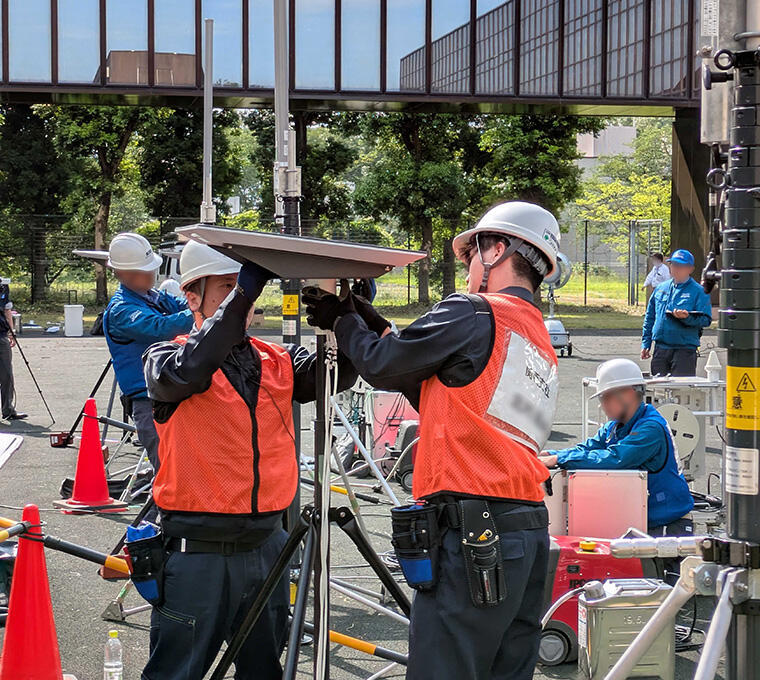
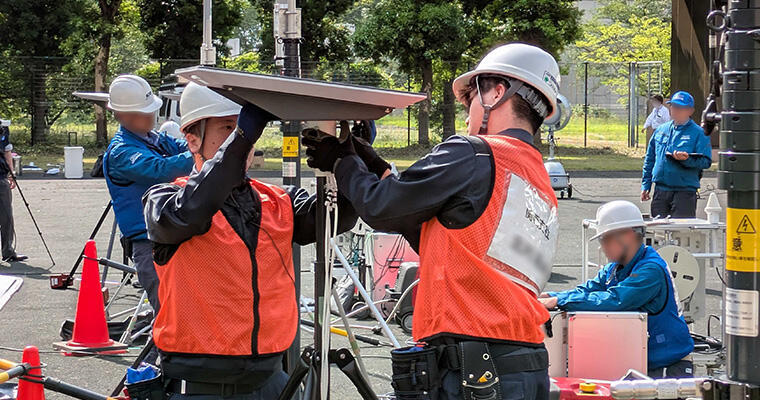
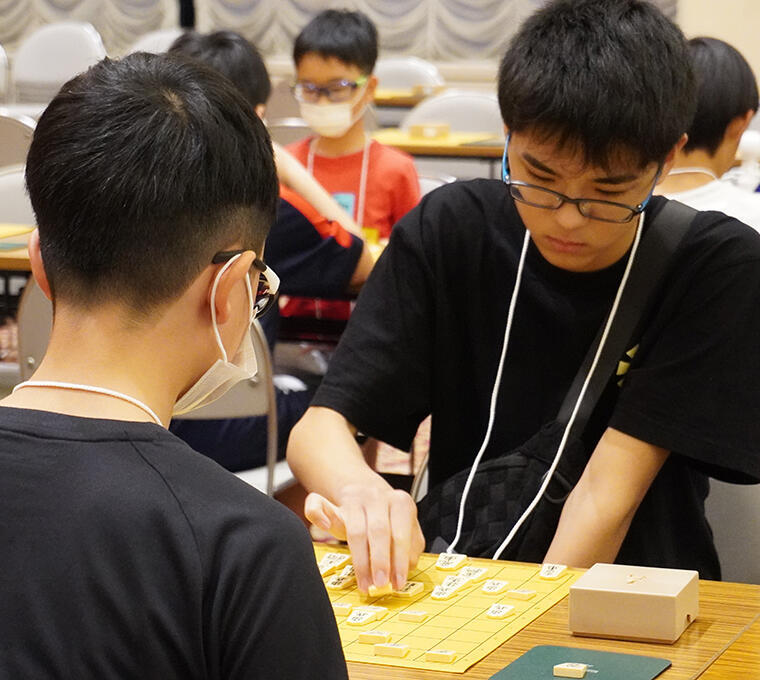
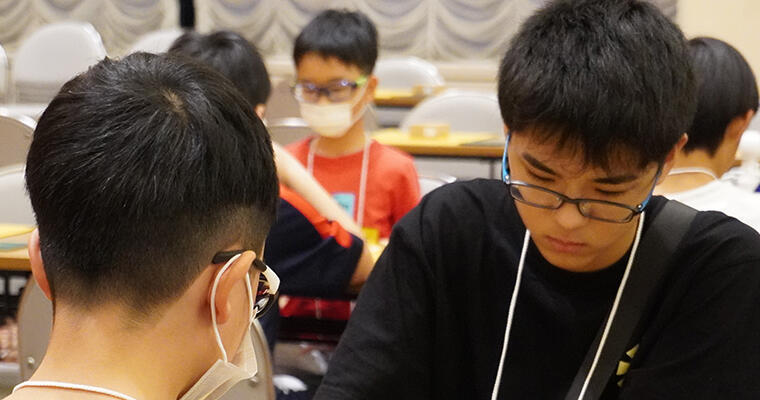
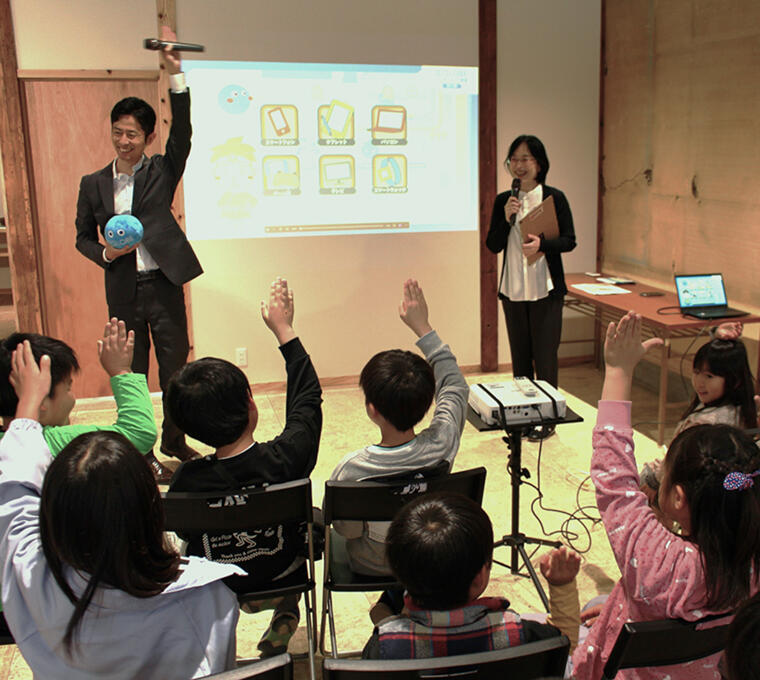
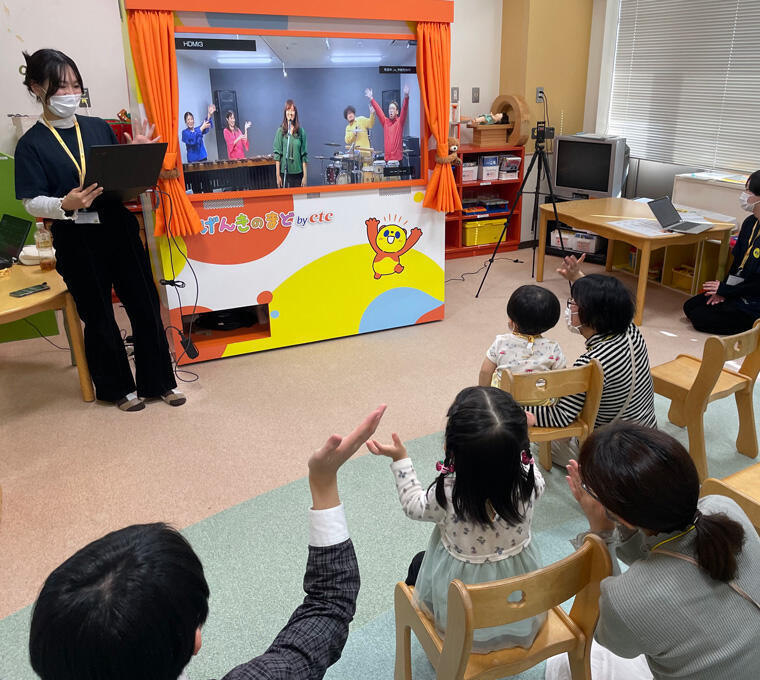
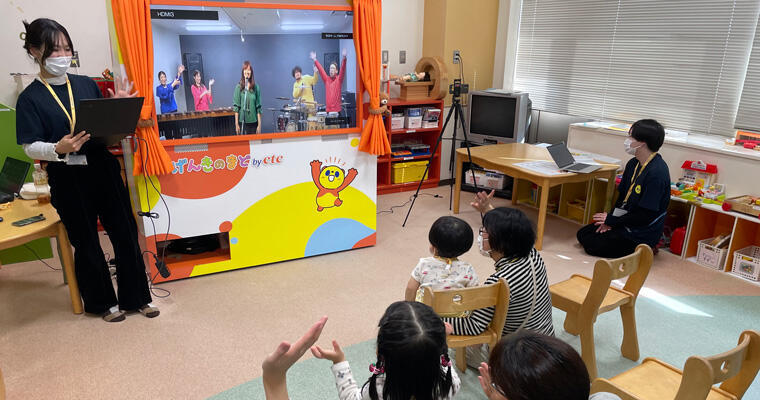
KDDI Group's Social Contribution Activities (in Japanese only)




Contribution Activities in emerging countries outside Japan
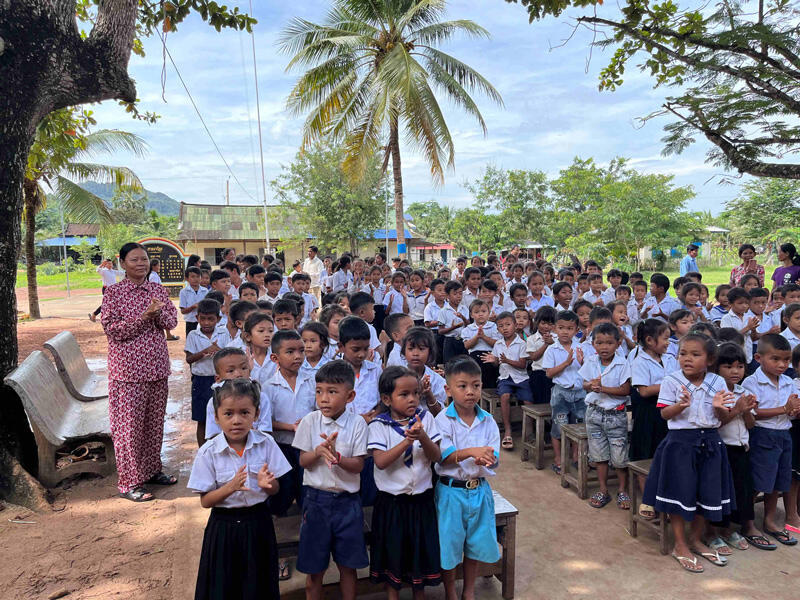
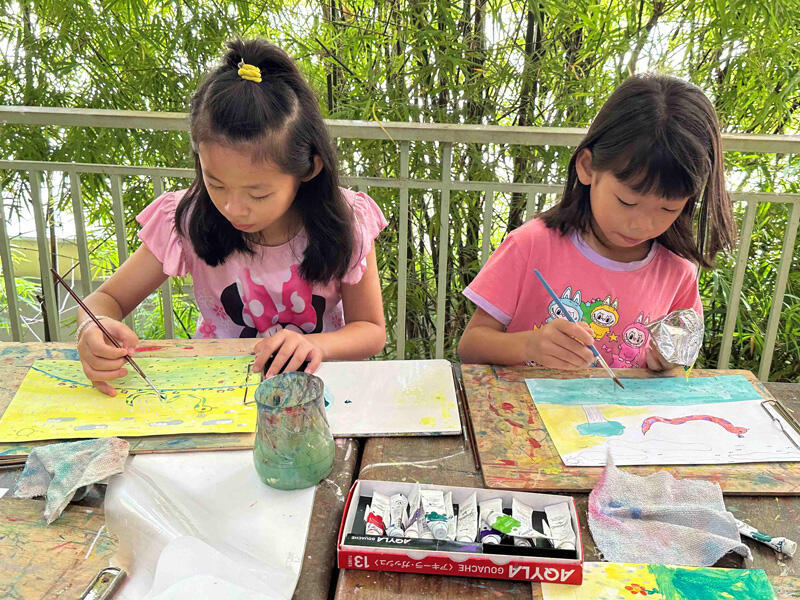
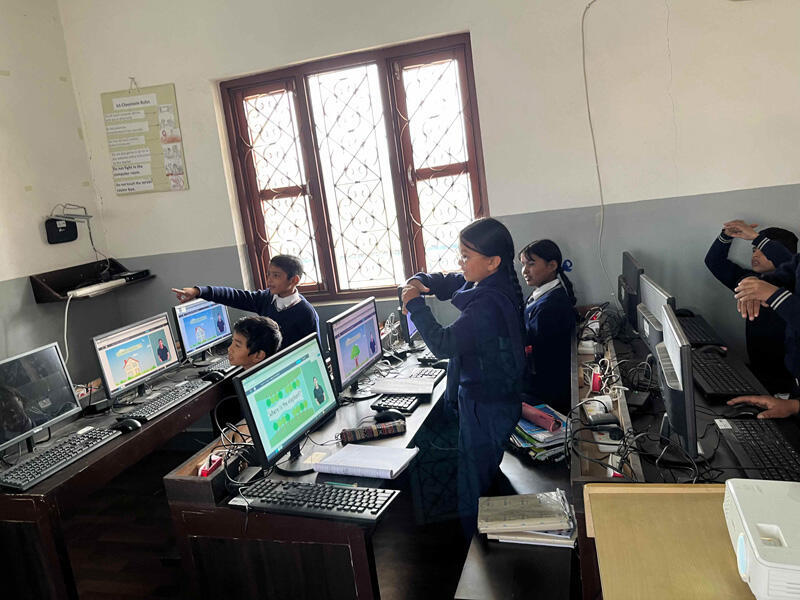
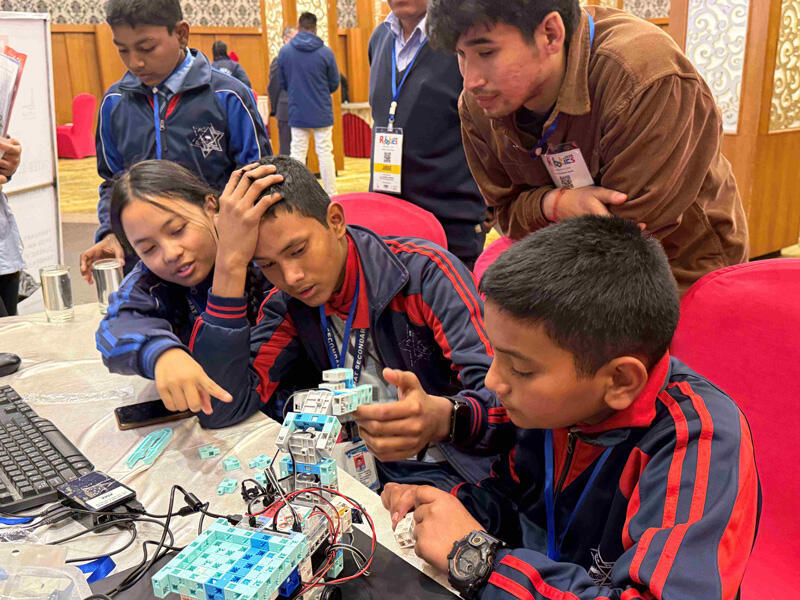
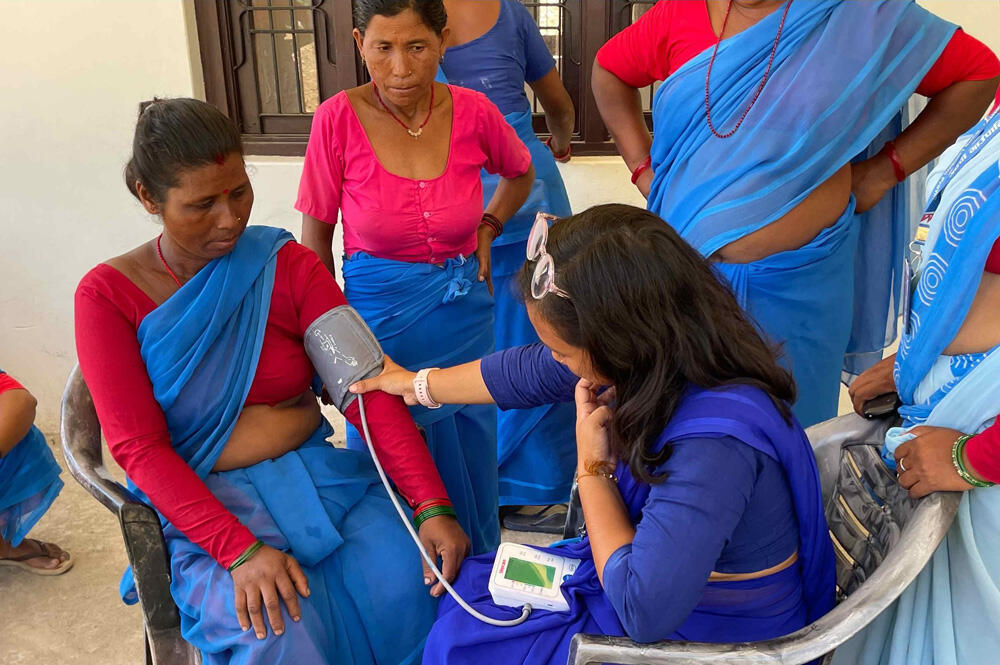
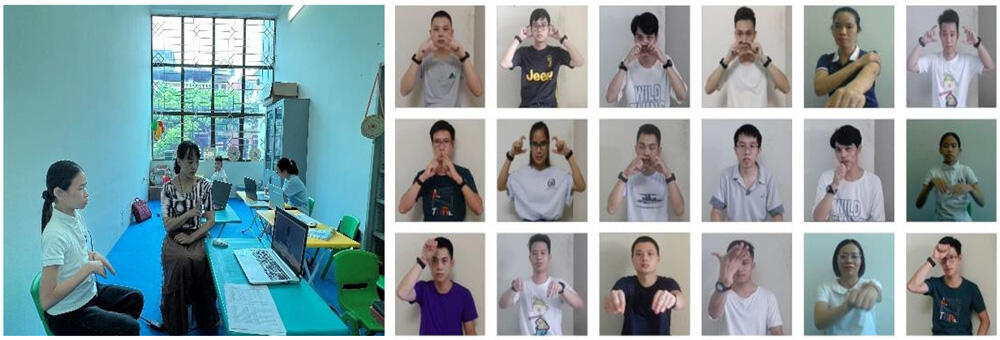
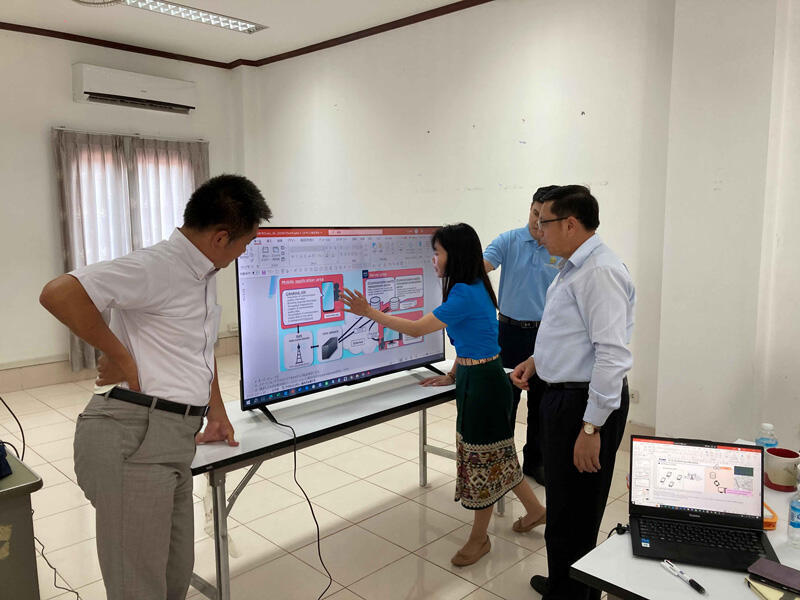
The KDDI Foundation actively engages in cultural support activities in emerging countries overseas.
Initiatives for Fiscal Year 2025
| Country | Initiatives |
|---|---|
| Mongolia |
|
| Myanmar |
|
| Cambodia |
|
| Nepal |
|
| Vietnam |
|
| Laos |
|
| Micronesia |
|